In winning La Vuelta Femenina, Annemiek van Vleuten had a potentially pyrrhic victory.
La Vuelta Femenina, the Women’s Tour of Spain, is one of the top-three races in terms of prestige. With the tours of Italy and France, it makes up the three Grand Tours, and this year it has moved from its late-season placement to now be the first Grand Tour of the year.
In the lead up to the race there was talk of whether van Vleuten could continue from last year’s exploit of winning all three GTs, or whether Demi Vollering, fresh from winning all three Ardennes single-day classics, could unseat her from her throne of being the woman to beat.
In the event Annemiek van Vleuten took the overall victory, battling hard to limit her losses on the final stage when Vollering and Gaia Realini rode away from her. The results sheet says the overall gap was nine seconds. Across the race’s complete duration that’s a 0.01% difference but even that didn’t show the full picture of the race. There’s been suggestions of underhand tactics and karmic justice spanning this season and the last, but first, an explanation of the politics of cycling.
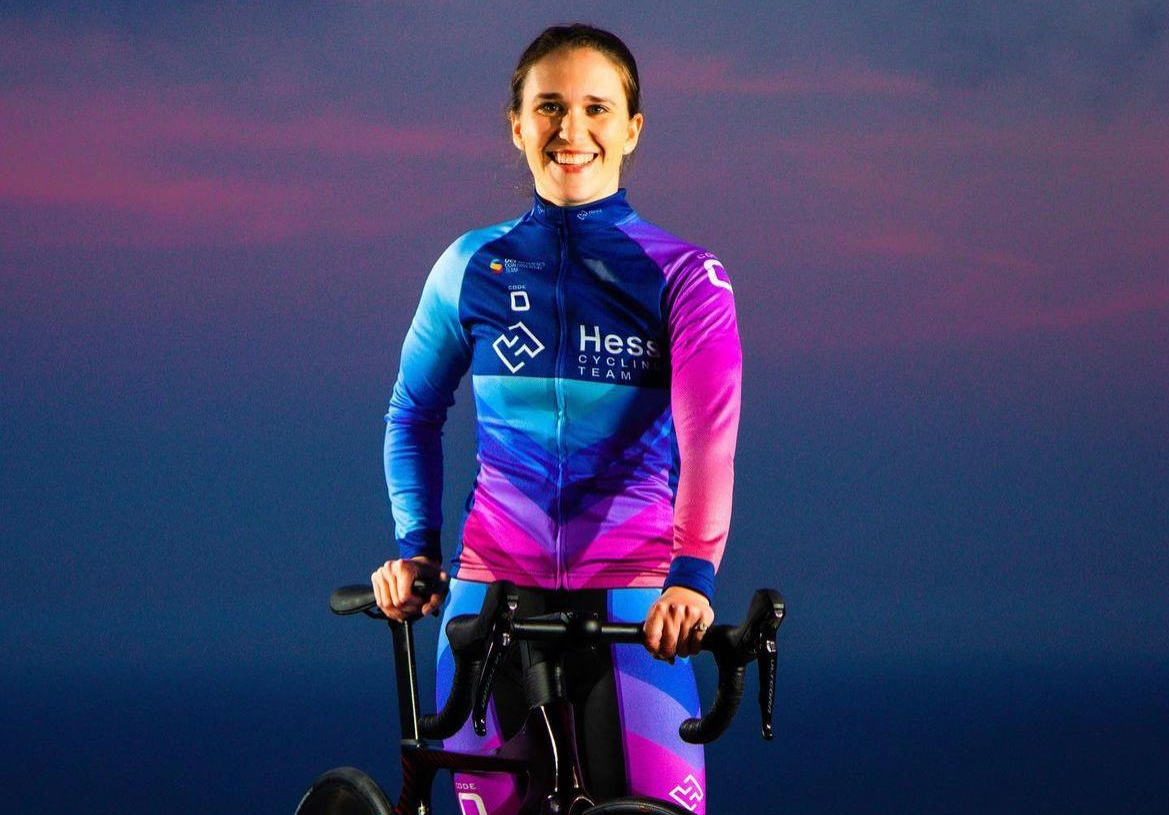
READ MORE: Its All Sport To Me Meets – Alice McWilliam from Hess Cycling Team
There’s many unwritten rules in cycling, most of which equate to etiquette and makes being a top rider both a matter of physical ability but also a sort of political ability. General rules include: don’t start riding hard or attacking when a rival is having misfortune, such as a puncture or a crash. If you’re already riding fast when it happens then you’re ok to continue riding hard, but you definitely shouldn’t increase your pace. Similarly, you shouldn’t attack during a feed zone where riders can pick up refreshments from their team helpers.
With cycling being this unusual team/individual sport hybrid there is also an ecosystem under the surface that is in delicate balance. Some riders have long memories of any situation in which they are wronged.
Another element of cycling that the casual observer might not be aware of is the concept of ‘gifts’. Which is to say, there are times where riders may gift a victory to another rider.
If you’ve ridden away from everyone else apart from one rider, you can sometimes merge your goals – if one of you wants to win the stage, and the other is chasing the overall victory then the latter rider might say “if you ride with me and help extend my advantage; I’ll let you win this stage”. It’s less a gift and more a rational transaction.
Sometimes the payback isn’t immediate, sometimes the gifted victory comes with a caveat of “we will call in the return favour later in the year”. Cycling is almost like two sports, the sport you see and the sport you don’t see but hear about years after the fact.
Before we can look at the events of La Vuelta, we must first take an interlude into France. During the Tour de France Femmes, Annemiek was leading overall and Demi Vollering was second. During stage eight, Vollering’s SD Worx team attacked whilst van Vleuten was changing her bike and therefore unable to respond or follow. This is one of the aforementioned unwritten rules. You don’t attack a rider needing mechanical assistance and you especially don’t when it’s the current race leader.
Ultimately that move was unsuccessful and didn’t achieve anything apart from upsetting Annemiek and her teammates at Movistar. As with favours, sometimes the payback comes swiftly, other times it takes a while before it is returned. In Spain it was the latter, although I would argue retribution shouldn’t have happened at all.
During stage six of La Vuelta, Demi Vollering and her SD Worx team decided to take what some would call “a natural break”. This was just before a key section and many riders in such a situation would choose to stop with the leader, whether it’s their teammate or not, because they know the rule of the non-aggression pact when the leader has stopped. This did not happen and Movistar are alleged to have attacked before Vollering could return to the group – an unwritten rule broken. Many see this as retribution for the incident in France last year and that it’s deserved – not that Annemiek or Movistar have suggested that they wanted or needed revenge for the attacks in France, it’s more of a fan theory.
Although revenge may well be deserved; I still think it’s wrong if it was vengeance sought out. Karma isn’t something you seek, instead it would have been tit-for-tat, eye for an eye playground mentality. Movistar themselves don’t see this as retribution as they claim they were already planning to attack there and just followed through with their plan- ignoring the wider context.
Whether or not it was a retributive act then is debatable and subject to the individual’s own opinion and that’s part of why it’s a very faulty way of handling things.
In her post-race interview Annemiek said the following as quoted by @JoseBeenTV:
“Some girls stopped for a pee but the team had already made the plan to go for echelons.
It’s part of the race that you stop when you can and not when crosswinds are coming up.
Gaia Realini has probably the freshest legs tomorrow because she had a free ride today.”
This confirms the general feeling from Movistar that this was planned and not an act of revenge, and in the attack to which I have referred, Annemiek broke away with the Italian climber supreme, Gaia Realini. In the above van Vleuten potentially throws shade at Realini, and suggests that Gaia did not help with the pace setting and had more energy to sprint for stage victory.
Firstly, Gaia didn’t need to share in the pace setting- she wasn’t close on the overall standings and had less to gain. If Annemiek wanted help she could have asked and maybe negotiated that Realini share the load and be guaranteed the stage victory. Whether such negotiations took place is unknown but the end result is known and van Vleuten’s words aren’t likely to have won her any friends in Realini’s Trek-Segafredo team.
Given Realini was by far one of the best climbers in the race, Annemiek gained herself an enemy rather than an ally.
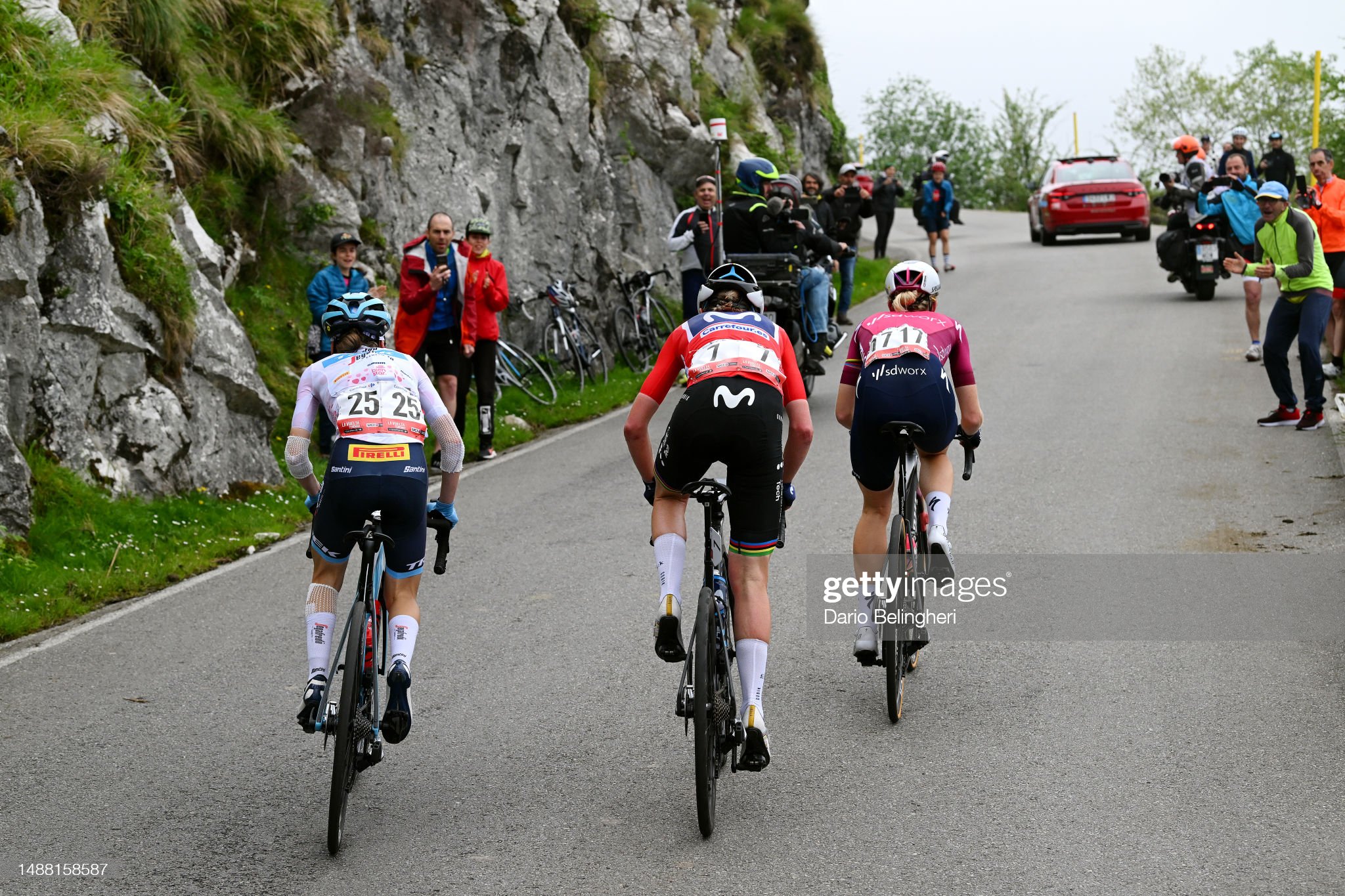
Fast forward to the final stage, with Demi looking to gain over a minute to win overall and her work having reduced the leaders to number just three. Herself, Gaia and Annemiek. Who was it that made the attack that distanced the current World Champion, van Vleuten? None other than Gaia Realini, with whose pace only Demi could cope. The two worked together and took turns – potentially a message to Annemiek from Gaia, that she will help with sharing work.
The previous day’s comments very nearly caught up with her- a rider scorned by words and another scorned by actions combining to contribute to her self-made undoing. In attacking the previous day they set the rules of engagement and got perilously close to losing the race.
If this was revenge, then Movistar got away with it here, but generally an “eye for an eye” methodology leads to the whole world being blind. The SD Worx team at the Tour de France Femmes isn’t the same line-up that rode at La Vuelta Femenina- some of those riders who rode the latter might understandably feel aggrieved by Movistar’s actions and seek their own justice.
For Annemiek, albeit in her retirement year, this may be a pyrrhic victory- making potential enemies in a sport that requires tact like cycling isn’t always a good career move.
Featured image courtesy of Dario Belingheri/Getty Images